
How AI Solutions are Revolutionizing Construction Companies


Introduction to AI in Construction
The construction industry, traditionally slow to adopt new technologies, is experiencing a significant transformation thanks to Artificial Intelligence (AI). From project planning to on-site safety, AI solutions are reshaping the way construction companies operate, leading to increased efficiency and reduced costs. This evolution is essential as companies strive to meet growing demands and tighter deadlines.

Enhanced Project Planning
One of the most compelling applications of AI in construction is in project planning. AI algorithms can analyze vast amounts of data to predict potential project delays and budget overruns. By leveraging historical data and real-time information, AI tools provide construction managers with insights that help in making informed decisions.
AI-powered software can generate accurate timelines and resource allocations, ensuring that projects are completed on time and within budget. This proactive approach minimizes risks and enhances overall project management efficiency.
Improving On-Site Safety
Safety is a paramount concern in construction, and AI technologies are making sites safer than ever before. AI-driven cameras and sensors can monitor construction sites in real time, identifying potential hazards and alerting workers and supervisors immediately. This technology helps in preventing accidents and ensures compliance with safety regulations.

Moreover, AI can predict equipment failures by analyzing patterns and anomalies, allowing for preventive maintenance. This reduces downtime and keeps projects running smoothly, further enhancing safety and efficiency.
Streamlining Design and Architecture
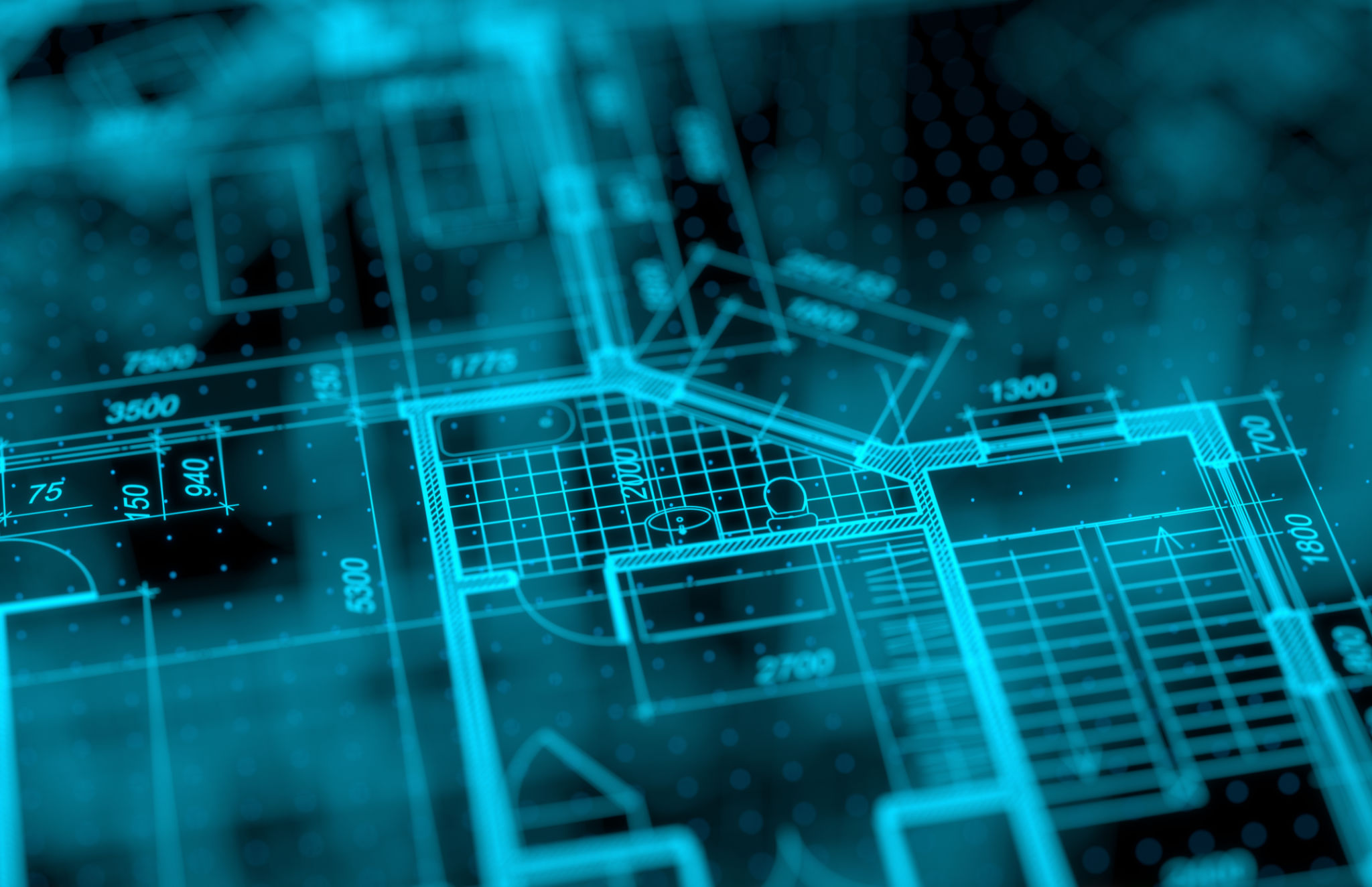
AI is also revolutionizing the design and architecture phases of construction. Advanced AI tools enable architects to create more efficient and sustainable designs by simulating various scenarios and outcomes. This capability allows for innovative solutions that meet environmental standards and client expectations.
By automating repetitive design tasks, AI frees up architects to focus on creativity and innovation, ensuring that each project is both aesthetically pleasing and structurally sound.
Optimizing Resource Management
Resource management is another area where AI shines. By analyzing data from previous projects, AI can predict the optimal allocation of materials and labor, minimizing waste and maximizing productivity. This leads to significant cost savings and environmental benefits.
- Efficient material usage
- Reduced labor costs
- Minimized project delays
Enhancing Communication and Collaboration
AI-powered platforms facilitate better communication and collaboration among project stakeholders. These tools allow for seamless information sharing, ensuring that everyone involved in a project is on the same page. This reduces misunderstandings and improves overall project coherence.
Furthermore, AI can automate routine communications, allowing project managers to focus on more strategic tasks, thus enhancing productivity across the board.

Conclusion
As AI continues to evolve, its impact on the construction industry is becoming increasingly profound. From planning and safety to design and resource management, AI solutions offer construction companies unparalleled opportunities to enhance efficiency, reduce costs, and deliver high-quality projects. Embracing AI is no longer an option but a necessity for those looking to stay competitive in the ever-evolving construction landscape.