
Case Study: Transforming Construction Projects with Automation in Surrey


Introduction to Automation in Construction
The construction industry has been undergoing a significant transformation with the advent of automation technologies. In Surrey, this shift is particularly evident as companies leverage automation to enhance efficiency and reduce costs. The integration of automated systems is reshaping the way construction projects are executed, promising a future where projects are completed faster and with greater precision.

The Challenges in Traditional Construction
Traditional construction methods often face several challenges, including delays, cost overruns, and labor shortages. These issues can lead to inefficiencies and increased expenses, impacting the overall success of a project. Manual processes are also prone to errors, which can compromise the quality and safety of the construction work.
Addressing Labor Shortages
One of the most pressing issues in the construction sector is the shortage of skilled labor. Automation offers a solution by performing repetitive and labor-intensive tasks, allowing human workers to focus on more complex and value-added activities. This not only reduces dependency on manual labor but also enhances productivity.

How Automation Transforms Construction
Automation in construction involves the use of advanced technologies such as robotics, drones, and AI-driven software. These tools work together to streamline various stages of construction, from initial design to the final build. By implementing automation, companies in Surrey are witnessing a transformation in project execution.
Improving Efficiency and Precision
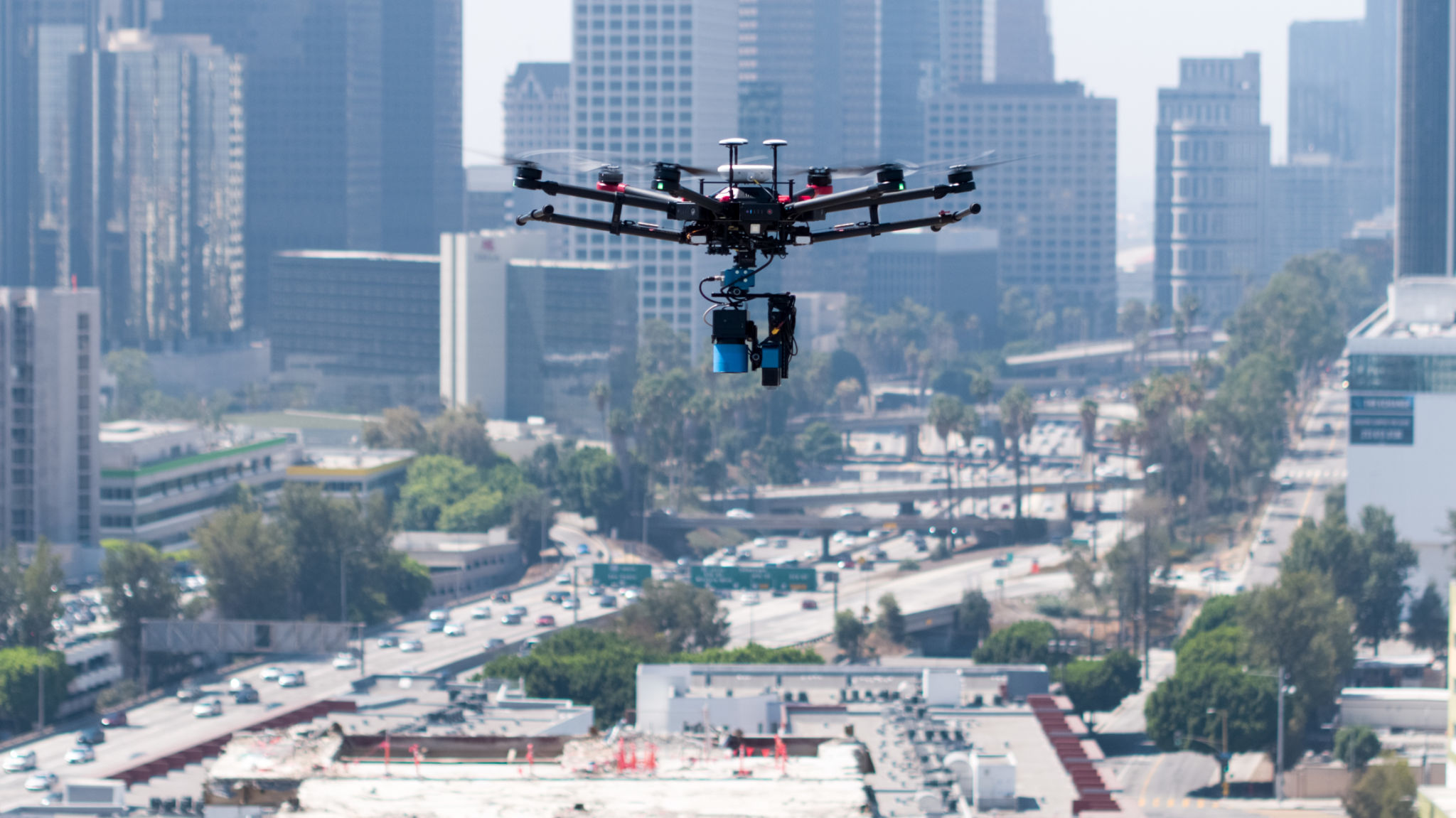
Automated systems enhance efficiency by minimizing downtime and optimizing resource allocation. For instance, drones can survey sites quickly, providing real-time data that helps in accurate planning and execution. Robots can perform tasks like bricklaying with precision, ensuring higher quality outcomes.
- Robotics for tasks like bricklaying and welding
- Drones for site surveys and monitoring
- AI-driven project management tools

Case Study: A Surrey-Based Project
A notable example of automation in action is a recent project in Surrey where a construction company implemented various automated solutions. By integrating robotics and AI, the company reduced project time by 30% and cut costs by 20%. This case highlights the tangible benefits of embracing technology in construction.
Key Outcomes
The Surrey project demonstrated several positive outcomes:
- Increased speed and efficiency
- Reduced labor costs
- Improved safety standards
Future Prospects and Conclusion
The future of construction in Surrey looks promising as more companies adopt automation technologies. As these tools become more sophisticated, they will offer even greater potential for innovation and efficiency. Embracing automation not only addresses current industry challenges but also sets the stage for sustainable growth.
In conclusion, the transformation of construction projects through automation is proving to be a game-changer in Surrey. By leveraging technology, the industry is moving towards a more efficient, cost-effective, and innovative future.